

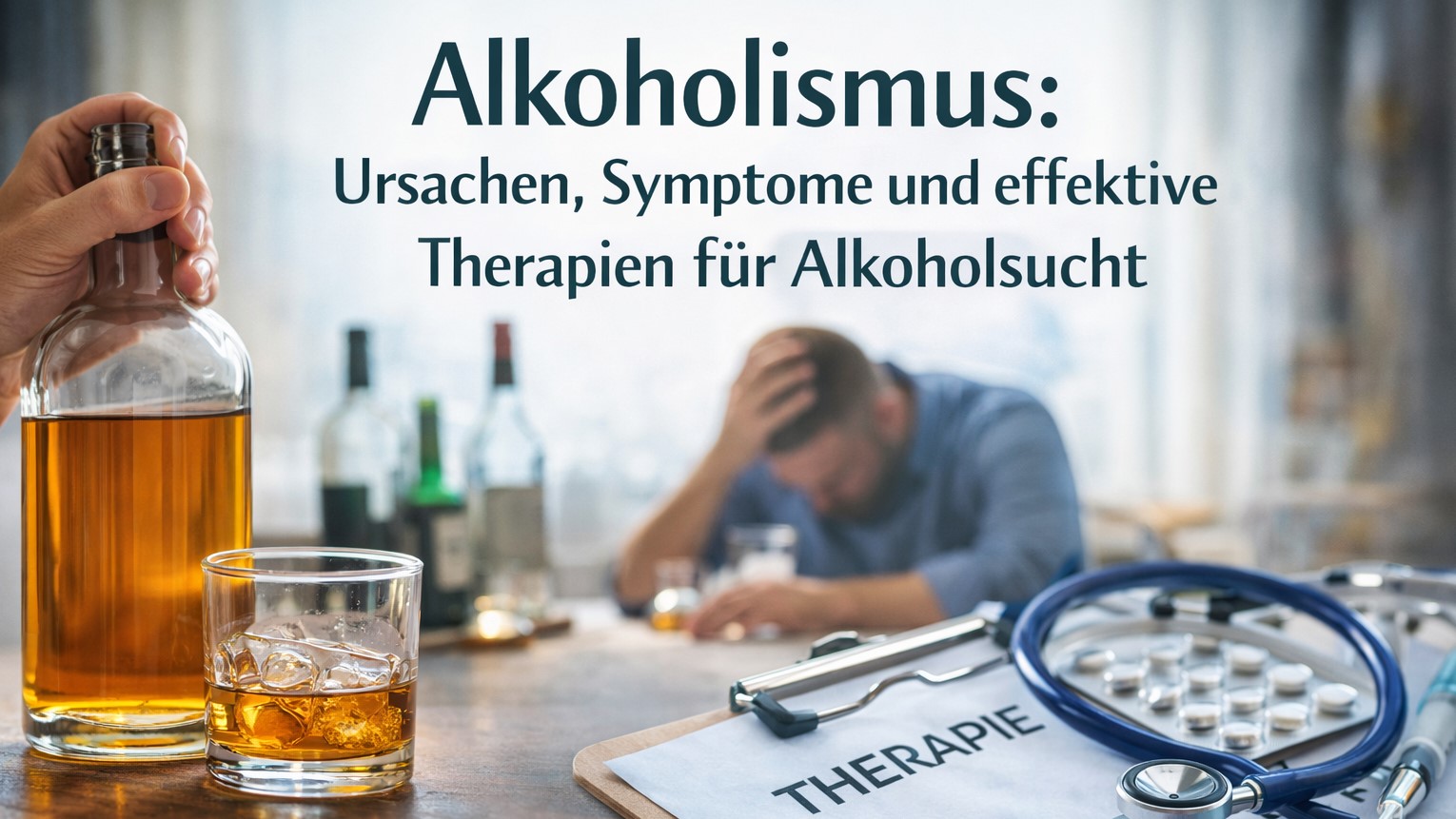
Alcoholism is a chronic condition requiring treatment in which alcohol loses its role as something consumed for enjoyment and becomes the centre of life. Typical features include loss of control, physical dependence and noticeable harm across many areas of life. People affected do not simply “drink too much”; they become caught in a pattern of craving, tolerance, withdrawal and continued drinking despite clear disadvantages. This affects physical and mental health, often putting strain on family, friendships and work. Alcohol dependence is treatable. Early recognition, appropriate treatment and reliable everyday support are crucial.
Key points at a glance
- Alcoholism is a chronic condition in which alcohol becomes the focus of life.
- Its defining features include loss of control, tolerance, withdrawal symptoms and continued drinking despite harm.
- Causes usually involve an interaction between biology, including genes and the brain’s reward system, and circumstances such as stress, mental health problems and drinking culture.
- Common consequences include organ damage, mental health crises and relationship breakdown, as well as job loss or accidents.
- Effective treatment combines withdrawal management, rehabilitation, aftercare, peer support and, where appropriate, medication to help prevent relapse.
What is alcoholism?
Alcoholism is a chronic addictive disorder that requires treatment. Alcohol becomes the centre of life rather than a source of enjoyment. Loss of control, physical dependence and serious consequences for health, mental well-being and relationships are typical.
When alcohol stops being something consumed for enjoyment
Alcoholism often develops gradually. Drinking becomes more important than commitments, hobbies or relationships. Many people organise their daily lives around alcohol. Loss of control means feeling unable to freely decide when and how much to drink. Physical dependence often develops over time, with withdrawal symptoms appearing when alcohol is unavailable. The consequences affect the body, mood, thinking and social interaction. Alcoholism is therefore recognised as a chronic condition requiring treatment rather than a “character weakness”.
| Core feature | How it appears in everyday life |
|---|---|
| Alcohol becomes the priority | Appointments, leisure activities and social contacts are arranged around drinking |
| Loss of control | Difficulty controlling when drinking starts, how much is consumed or when it stops |
| Physical dependence | Withdrawal symptoms without alcohol; drinking to feel “stable” |
| Harm in several areas | Visible effects on health, mental well-being and relationships |
Alcoholism rarely has a single cause. Biological factors frequently interact with difficult circumstances. Genetic predisposition can increase susceptibility to alcohol’s effects. Changes in the brain’s reward system also matter, making alcohol particularly effective as a rapid way to alter mood. Metabolism influences how quickly and intensely alcohol takes effect. Stress, depression and anxiety disorders can increase risk. Trauma, relationship conflict and a drinking culture that treats alcohol as a solution to problems can contribute as well.
| Risk factor | Examples |
|---|---|
| Biological | Genetic predisposition, reward-system changes, differences in metabolism |
| Psychological | Stress, depression, anxiety disorders, trauma |
| Social | Strained relationships, high expectations, alcohol used as a “social lubricant” |
Symptoms and signs: recognising dependence
The main signs involve behaviour and the body. A strong urge to drink, known as craving, is a core feature. Reduced control over the start, quantity and end of drinking is also typical. Tolerance means needing more alcohol to achieve the same effect. When withdrawal symptoms occur, people may drink to avoid discomfort. Continuing despite obvious harm, such as arguments, illness or problems at work, is particularly significant. Physical symptoms can include shaking, sweating and sleep problems. Irritability, low mood, memory gaps or “blackouts”, and social withdrawal are also common.
| Area | Common signs |
|---|---|
| Features of dependence | Craving, loss of control, tolerance, withdrawal, continued drinking despite harm |
| Physical | Shaking, sweating, sleep problems, digestive problems, polyneuropathy, liver damage |
| Psychological and social | Low mood, irritability, blackouts, withdrawal from others, conflict |
Health consequences: organs, nerves and mental stability
Alcohol can affect almost every organ. Fatty liver can progress to liver inflammation and, if untreated, cirrhosis. Inflammation of the pancreas can be painful and dangerous. Cardiovascular risks also increase. Nerve damage may cause polyneuropathy with numbness or pain. Brain function can deteriorate, potentially leading to alcohol-related dementia. Psychosocial consequences include conflict, separation, job loss, financial difficulties and an increased risk of accidents and suicide.
| Consequences | Typical examples |
|---|---|
| Organ damage | Fatty liver, hepatitis, cirrhosis, pancreatitis, cardiovascular disease |
| Nerves and brain | Nerve damage, impaired cognitive function, alcohol-related dementia |
| Psychosocial | Separation, job loss, debt, accidents, increased suicide risk |
Effective treatments: withdrawal management and rehabilitation
Effective treatment usually involves several components. For physical dependence, withdrawal treatment comes first. Withdrawal should be medically supervised because complications such as seizures or delirium can occur. Depending on the circumstances, treatment may be inpatient or in a day hospital. Rehabilitation then follows and may last weeks or months. Psychological approaches such as cognitive behavioural therapy and motivational interviewing help people recognise triggers, understand relapse mechanisms and practise new coping strategies.
| Treatment component | Aim | Typical elements |
|---|---|---|
| Withdrawal treatment | Physical stabilisation | Monitoring, treatment of withdrawal symptoms, protection against delirium and seizures |
| Rehabilitation | Long-term change | Identifying triggers, relapse prevention, new coping strategies, psychotherapy such as CBT and motivational interviewing |
Long-term support: aftercare, peer support and relapse prevention
After the acute phase, everyday life often determines treatment success. Aftercare is therefore central. AA and other peer-support groups offer structure and a sense of belonging. Addiction counselling services help with crises, administrative matters and relapse. Regular appointments support motivation during difficult periods. Relapse prevention means recognising warning signs early and having an emergency plan. In selected cases, medication can help prevent relapse or reduce drinking. It generally supplements psychotherapy rather than replacing it.
| Support | Everyday benefit |
|---|---|
| Peer-support groups | Stability, shared experiences, role models, accountability |
| Addiction counselling and aftercare | Crisis support, structure, relapse management |
| Selected medications | Additional help with craving or relapse prevention |
The neurobiological causes of alcohol addiction
Changes in brain chemistry are an important factor in alcoholism. Alcohol acts directly on the reward system by stimulating dopamine release. With regular consumption, the brain adapts to this artificial stimulus, contributing to tolerance. A comprehensive understanding of alcoholism, its causes, symptoms and effective treatments requires recognising that addiction is more than a failure of willpower. It is a chronic condition in which neural pathways change so that craving can dominate rational control. Modern treatments address these patterns through new behaviours and, where appropriate, medication.
Recognising symptoms: clinical diagnosis
Symptoms vary, but diagnostic frameworks define specific features. These include craving, impaired control over the beginning and end of drinking, and physical withdrawal symptoms after stopping. Neglecting interests in favour of alcohol and continued use despite harmful consequences are also central. These objective signs help assess severity. Tolerance may develop, requiring increasingly large amounts to achieve the desired effect. Early assessment helps people access effective treatment and reduce serious physical and psychological harm.
Effective treatments and relapse prevention
Treatment involves a staged process extending beyond physical detoxification. Rehabilitation addresses psychological factors. Behavioural therapies help identify drinking triggers and develop alternative coping strategies. Relapse prevention supports long-term abstinence. Aftercare, including peer-support groups and outpatient care, is an essential part of comprehensive treatment. Addressing physical, psychological and social factors offers a realistic chance of sustained recovery.
Diagnostic criteria: when is drinking considered addiction?
Medical assessment is essential for understanding alcohol dependence. Diagnostic frameworks such as the ICD describe features including impaired control, increasing priority given to alcohol and physiological changes such as tolerance or withdrawal. Needing more alcohol for the same effect or experiencing withdrawal warrants professional assessment; diagnosis depends on the overall pattern and the applicable criteria. Understanding these signs can help people recognise a problem early. Distinguishing harmful use from dependence helps guide treatment and reduce lasting harm to organs and the nervous system.
Relatives play an important role. Some partners or family members cover up drinking or take over responsibilities. Although intended to preserve harmony in the short term, these patterns can make it harder to address the problem. Treatment increasingly involves families. Relatives can learn to set boundaries and seek their own support. Stabilising the wider situation can improve the chances of lasting abstinence and social recovery.
What happens in the brain: the neurobiology of addiction
Research describes dependence as a chronic disorder involving the brain. Alcohol affects dopamine signalling in the reward system. With repeated use, the brain increasingly associates alcohol with relaxation or pleasure, while natural rewards may become less important. These changes help explain the risk of relapse without psychological support. Treatment aims to gradually rebuild healthier reward patterns. Understanding these processes can reduce feelings of moral failure and encourage people to seek medically informed care.
Conclusion
Alcoholism is a chronic illness with recognisable warning signs. Acting early protects physical health, mental well-being and relationships. Safe withdrawal management and effective rehabilitation are crucial, followed by aftercare to manage everyday triggers. Peer-support groups provide stability and routine. Medication may help when appropriate. If alcohol is controlling your life, help is available. Talking about it can be the first step.
Sources:
- Screening, diagnosis and treatment of alcohol-related disorders (German)
- S3 guideline: screening, diagnosis and treatment of alcohol-related disorders (German)
- Brief intervention for patients with alcohol problems (German)
FAQ
What are the main causes of alcoholism?
Causes involve a combination of genetic predisposition, neurobiological changes in the reward system and stressful environmental factors. Depression and chronic stress can also contribute.
Which symptoms suggest alcohol addiction?
Typical signs include a strong urge to drink and loss of control over the amount consumed. Physical withdrawal symptoms and increasing neglect of social or professional responsibilities may also occur.
When is alcoholism diagnosed medically?
Under ICD-10, dependence is diagnosed when at least three of six criteria have been present together during the preceding year. These include tolerance, withdrawal and continued use despite known harm. ICD-11 uses a different diagnostic structure. A clinician should assess the applicable criteria.
What effective treatments are available?
Approaches include medically supervised withdrawal followed by psychological rehabilitation. Outpatient aftercare and peer-support groups can support long-term recovery.
How long does treatment take?
Physical detoxification commonly takes one to two weeks, while rehabilitation may take several months. Psychological recovery and maintaining abstinence can require lifelong attention.
Can someone overcome alcoholism without professional help?
Abrupt withdrawal without medical supervision can be life-threatening. Professional support helps manage withdrawal safely and address the psychological factors underlying addiction.
What is the difference between harmful use and dependence?
Harmful use causes physical or psychological damage without necessarily meeting the criteria for dependence. Dependence involves a broader pattern such as impaired control, increasing priority given to drinking, and sometimes tolerance or withdrawal. Physical withdrawal is not required in every case.
What role do genes play?
Research estimates that genetic factors account for around 40–60% of variation in susceptibility to dependence. This does not mean genes determine an individual’s outcome; social and environmental factors also matter.
What does codependency mean?
The term describes patterns in which relatives, while trying to help, may unintentionally conceal or accommodate drinking. Families also deserve support and should not be blamed for another person’s addiction.
How can relapse after treatment be prevented?
Supportive relationships, managing triggers and attending peer-support groups can help. Learning stress-management skills and developing a plan for difficult situations also supports recovery.
